Total population
2,432,248 2023 Census
Located in the eastern part of Karachi Division, Malir District is one of Karachi’s largest districts by area, comprising urban, peri-urban, and rural communities. It includes areas such as Malir Town, Gadap Town, and Ibrahim Hyderi, with a mix of residential, agricultural, industrial, and coastal zones. This profile summarises district statistics, services, elected representation, and key development challenges.
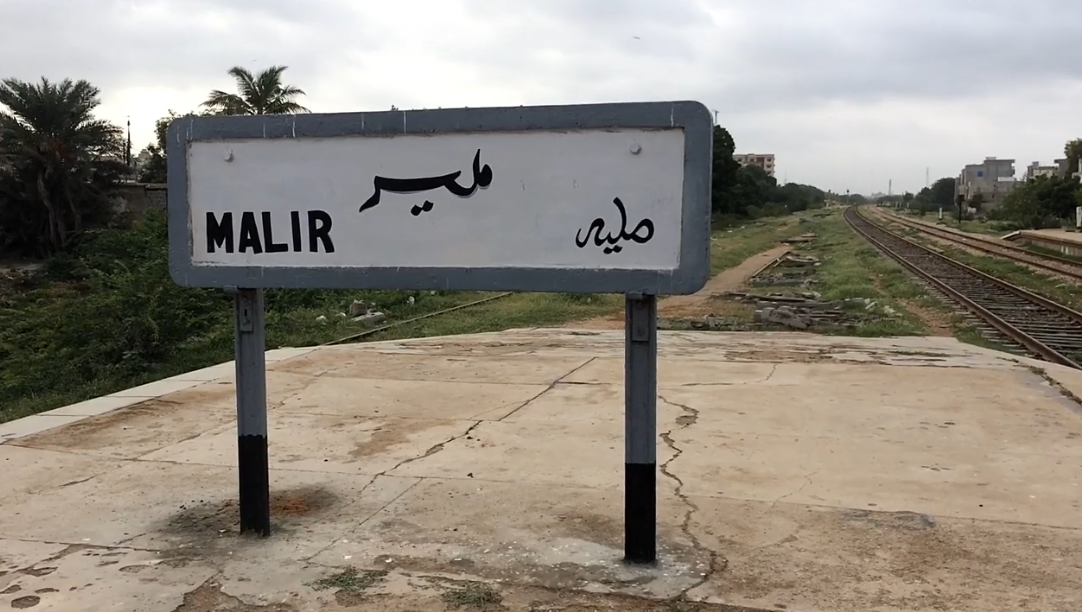
2,432,248 2023 Census
2,160 km²
6 tehsils · 21 union councils
| Indicator | Value |
|---|---|
| Total population (2023 Census) | 2,432,248 |
| Total area | 2,160 km² |
| Tehsils / Sub-Divisions | 6 |
| Union councils / Councils | 21 |
| Type | Count |
|---|---|
| Schools | 745 |
| Colleges | 13 |
| Facility type | Count |
|---|---|
| Hospital | 3 |
| RHC | 1 |
| GP Clinic | 1 |
| Police station |
|---|
| Sukhan Police Station |
| Steel Town Police Station |
| Sharafi Goth Police Station |
| Shah Latif Town Police Station |
| Quaidabad Police Station |
| Memon Goth Police Station |
| Malir City Police Station |
| Malir Cantt Police Station |
| Ibrahim Hyderi Police Station |
| Gadap City Police Station |
| Bin Qasim Police Station |
| Airport Police Station |
Total listed: 12
Based on listed MPAs (PS-84–PS-89). National Assembly member names are listed without portraits (per content brief).
| Constituency | Name (Party) |
|---|---|
| NA-229 Malir-I | Mr. Jam Abdul Karim Bijar (PPP) |
| NA-230 Malir-II | Mr. Syed Rafiullah (PPP) |
| NA-231 Malir-III | Mr. Abdul Hakeem Baloch (PPP) |
Portraits for National Assembly members are not included.
| Member | Constituency | Name (Party) |
|---|---|---|
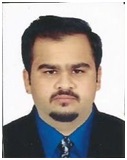
|
PS-84 Malir-I | Mr. Muhammad Yousuf Baloch (PPP) |
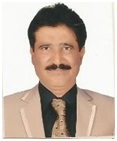
|
PS-85 Malir-II | Mr. Muhammad Sajid (PPP) |
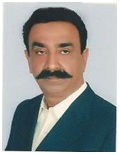
|
PS-86 Malir-III | Mr. Abdul Razaq Raja (PPP) |
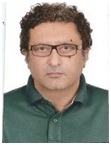
|
PS-87 Malir-IV | Mr. Mahmood Alam Jamot (PPP) |
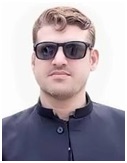
|
PP-88 Malir-V | Mr. Ajaz Khan (PPP) |
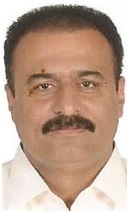
|
PS-89 Malir-VI | Mr. Muhammad Saleem (PPP) |
Malir District is connected through major transport corridors , including the M-9 Motorway, National Highway (N-5), Malir Expressway, and Shahrah-e-Faisal. However, many internal roads in Gadap Town, Memon Goth, Ibrahim Hyderi, and other peri-urban and rural areas remain in poor condition, with inadequate maintenance, traffic congestion, and limited public transport affecting accessibility.
Many communities across Malir , particularly in Gadap Town, Ibrahim Hyderi, Memon Goth, and informal settlements, experience chronic shortages of safe drinking water due to inadequate distribution networks, groundwater depletion, and reliance on water tankers. Rapid population growth has further increased pressure on existing water infrastructure.
Healthcare services are provided through public hospitals , Rural Health Centres, Basic Health Units, and dispensaries across the district. However, peripheral and rural areas such as Gadap Town and Ibrahim Hyderi continue to face limited access to specialized healthcare, shortages of medical personnel, and inadequate health infrastructure relative to the growing population.
Despite the presence of industrial zones and logistics activities , unemployment and underemployment remain significant challenges, particularly among youth in low-income and peri-urban communities. Limited vocational training opportunities and skills mismatches constrain access to formal employment. Rapid urbanization, encroachment on agricultural land, solid waste accumulation, water pollution, groundwater depletion, and recurring urban flooding during the monsoon season are major environmental challenges affecting Malir District. Coastal communities such as Ibrahim Hyderi are also vulnerable to coastal pollution and the impacts of climate change.
Rapid urbanization, encroachment on agricultural land, solid waste accumulation, water pollution, groundwater depletion, and recurring urban flooding during the monsoon season are major environmental challenges affecting Malir District. Coastal communities such as Ibrahim Hyderi are also vulnerable to coastal pollution and the impacts of climate change.