Total population
2,068,451 2023 Census
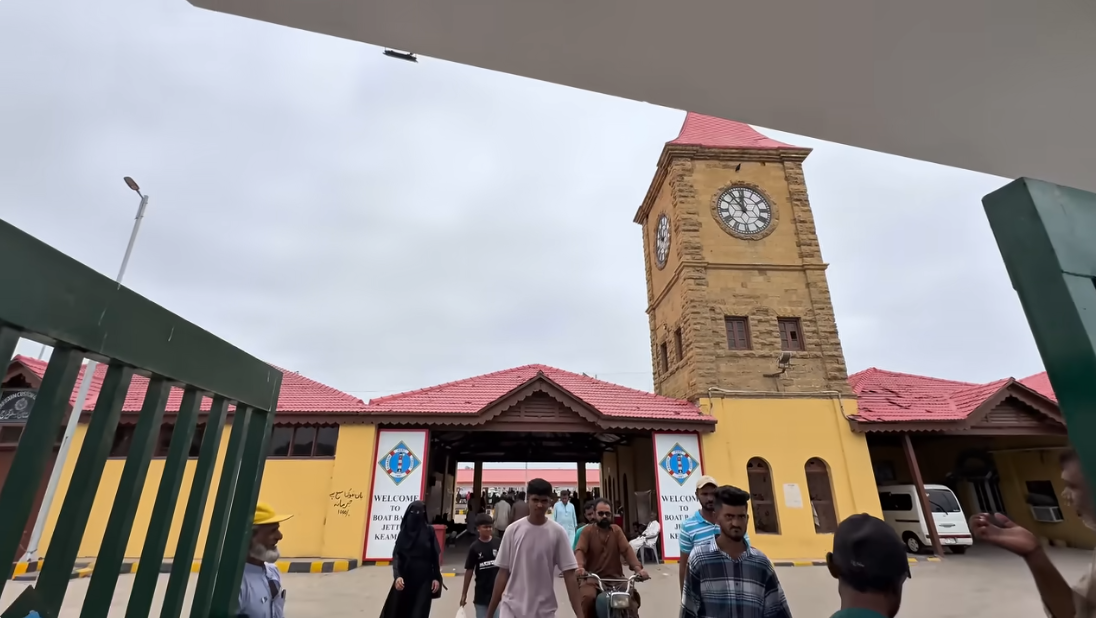
Keamari District, established in 2020, stands as the coastal, naval, and logistical gateway of Karachi. Housing an extensive urban footprint that anchors Pakistan's busiest maritime ports, the vital SITE industrial zone, the multi-ethnic industrial labor quarters of Baldia, and the spread-out marine lands of Mauripur and Harbour, Keamari represents an economically vital yet structurally challenged urban administrative zone.
2,068,451 2023 Census
559 km²
4 tehsils · 8 councils
| Indicator | Value |
|---|---|
| Total population (2023 Census) | 2,068,451 |
| Total area | 559 km² |
| Tehsils / Sub-Divisions | 4 |
| Union councils / Councils | 8 |
| Type | Count |
|---|---|
| Schools | 206 |
| Colleges | 09 |
| Facility type | Count |
|---|---|
| Hospital | 4 |
| ED | 2 |
| RHC | 4 |
| BHU | 1 |
| Police station |
|---|
| Shershah Police Station |
| Site B Police Station |
| Site A Police Station |
| Saeedabad Police Station |
| Pak Colony Police Station |
| Mochko Police Station |
| Mauripur Police Station |
| Madina Colony Police Station |
| KPT Police Station |
| Jackson Police Station |
| Ittehad Town Police Station |
| Baldia Police Station |
| Docks Police Station |
Total listed: 13
Based on listed MPAs (PS-111–PS-115). National Assembly member names are listed without portraits (per content brief).
| Constituency | Name (Party) |
|---|---|
| NA-242 Keamari-I | Mr. Syed Mustufa Kamal (MQM) |
| NA-243 Keamari-II | Mr. Abdul Qadir Patel (PPP) |
Portraits for National Assembly members are not included.
| Member | Constituency | Name (Party) |
|---|---|---|

|
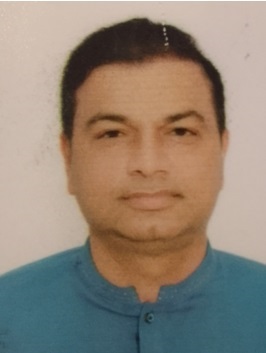
PS-111 Keamari-I | Mr. Liaqat Ali Askani (PPP) |
|
PS-112 Keamari-II | Mr. Muhammad Asif (PPP) |
|
PS-113 Keamari-III | Mr. Faheem Ahmed (MQM) |

|
PS-114 Keamari-IV | Mr. Muhammad Shabbir Qureshi (IND) |
|
PS-115 Keamari-V | Mr. Muhammad Asif Khan (PPP) |
Keamari District is connected through major transport corridors , including Mauripur Road, Hub River Road, Lyari Expressway, and routes linking Karachi Port with the rest of the city. However, severe traffic congestion, deteriorating road conditions in older neighborhoods, heavy movement of port-related cargo vehicles, and inadequate maintenance of internal roads affect mobility, particularly in Keamari Town, Lyari, Baldia Town, and Mauripur.
Many communities in Keamari District experience irregular water supply and shortages of safe drinking water . Areas such as Lyari, Baldia Town, and parts of Keamari Town frequently rely on water tankers due to aging distribution networks, illegal connections, and intermittent supply from the Karachi Water and Sewerage Corporation.
Healthcare services are provided through public hospitals , secondary healthcare facilities, and Basic Health Units, but many residents face challenges in accessing quality healthcare due to overcrowded facilities, limited specialized medical services, and uneven distribution of health infrastructure, particularly in low-income neighborhoods of Lyari, Baldia Town, and Mauripur.
Despite the presence of Karachi Port , industrial estates, and transport-related businesses, unemployment and underemployment remain significant concerns. Many residents depend on informal employment, daily wage labor, fisheries, transport, and small-scale trade, while limited skills development and economic opportunities particularly affect youth.
Keamari District faces multiple environmental issues , including coastal pollution, industrial emissions, improper solid waste disposal, marine ecosystem degradation, flooding caused by inadequate stormwater drainage, and the impacts of climate change such as sea-level rise. These challenges are particularly evident in coastal areas including Keamari Town, Mauripur, and Ibrahim Hyderi, as well as densely populated urban settlements.