Total population
3,921,742 2023 Census
The District is known for residential neighborhoods, educational institutions, markets, and parks (e.g., Aziz Bhatti Park). It features a diverse population with Urdu, Sindhi, Pashto, and Punjabi as major languages. In 2023, the Sindh government proposed renaming it Gulshan District, though the change has not been fully implemented.
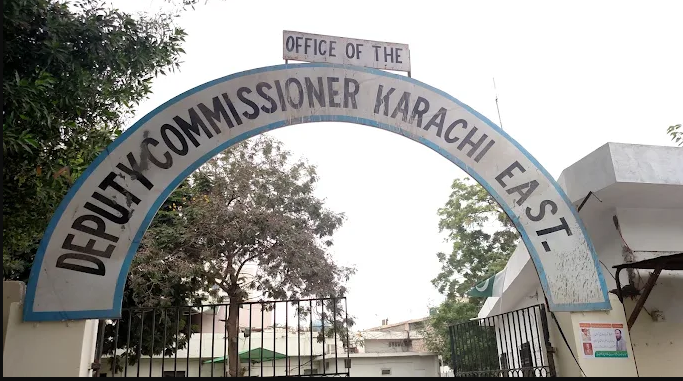
3,921,742 2023 Census
139 km²
4 tehsils · 26 union councils
| Indicator | Value |
|---|---|
| Total population (2023 Census) | 3,921,742 |
| Total area | 139 km² |
| Tehsils / Sub-Divisions | 4 |
| Union councils / Councils | 26 |
| Type | Count |
|---|---|
| Schools | 285 |
| Colleges | 32 |
| Facility type | Count |
|---|---|
| Hospital | 12 |
| GP Clinic | 4 |
| Multiple Specialty Centre | 3 |
| Single Specialty Centre | 1 |
| BHUs | 2 |
| MCHs | 2 |
| Sindh Government Dispensaries | 2 |
| Urban Health Unit | 1 |
| Police station |
|---|
| Mubina Town Police Station |
| Sachal Police Station |
| Site Super Highway Police Station |
| Sohrab Goth Police Station |
| Gulistan-e-Johar Police Station |
| Shahrah-e-Faisal Police Station |
| Aziz Bhatti Police Station |
| Gulshan-e-Iqbal Police Station |
| Women Police Station (East) |
| PIB Colony Police Station |
Total listed: 10
| Town / Major Area | Approximate Civil Courts |
|---|---|
| Jamshed Town (incl. Jamshed Quarters, Soldier Bazar, Brigade, Ferozabad, PIB Colony, etc.) | 12–15 |
| Gulshan Town (incl. Gulshan-e-Iqbal, Gulistan-e-Jauhar, Mobina Town, New Town, Bahadurabad, Aziz Bhatti, etc.) | 15–18 |
| Other / Mixed / Eastern Areas (Shah Faisal Colony, Model Colony, Landhi/Korangi border, Khokharapar, Awami Colony, Saudabad, etc.) | 8–12 |
| Specialized (Family Judges, Consumer Protection Courts) | 3–4 |
| Total Civil-level Courts | 48 (13 Senior Civil Judges + 35 Civil Judge/JM courts) |
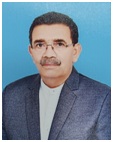
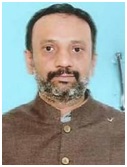
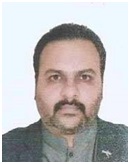
Based on listed MPAs (PS-97–PS-105). National Assembly member names are listed without portraits (per content brief).
| Constituency | Name (Party) |
|---|---|
| NA-235 Karachi East-I | Mr. Muhammad Iqbal Khan (MQM) |
| NA-236 Karachi East-II | Mr. Hassaan Sabir (MQM) |
| NA-237 Karachi East-III | Mr. Asad Alam Niazi (PPP) |
| NA-238 Karachi East-IV | Mr. Sadiq Iftikhar (MQM) |
Portraits for National Assembly members are not included.
| Member | Constituency | Name (Party) |
|---|---|---|
|
PS-97 Karachi East-I | Mr. Shoukat Ali (MQM) |
|
PS-98 Karachi East-II | Mr. Arsalan Perwaiz (MQM) |
|
PS-99 Karachi East-III | Mr. Farhan Ansari (MQM) |
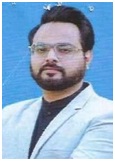
|
PS-100 Karachi East-IV | Mr. Muhammad Usman (MQM) |
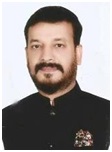
|
PS-101 Karachi East-V | Mr. Moid Anver (MQM) |
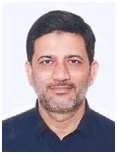
|
PS-102 Karachi East-VI | Mr. Muhammad Aamir Siddiqui (MQM) |
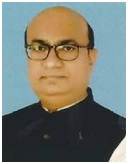
|
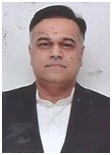
PS-103 Karachi East-VII | Mr. Faisal Rafiq (MQM) |
|
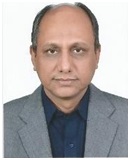
PS-104 Karachi East-VIII | Mr. Muhammad Daniyal (MQM) |
|
PS-105 Karachi East-IX | Mr. Saeed Ghani (PPPP) |
Karachi East has an extensive road network , including major arterial roads such as Shahrah-e-Faisal, University Road, Rashid Minhas Road, and the Karachi Expressway corridor. However, persistent traffic congestion, deteriorating road surfaces, inadequate maintenance, and flooding during the monsoon season continue to disrupt mobility, particularly in Gulshan-e-Iqbal, Gulistan-e-Jauhar, PECHS, and Shah Faisal Colony.
Despite being served by the Karachi Water and Sewerage Corporation (KWSC), many neighborhoods in Karachi East experience irregular water supply, low water pressure, and dependence on water tankers. Aging distribution infrastructure, water losses, and growing urban demand contribute to recurring shortages in several residential areas.
Karachi East is home to several major tertiary healthcare institutions , including Aga Khan University Hospital, Liaquat National Hospital, and SIUT-NIKDU, providing advanced medical services to residents of Karachi and surrounding districts. However, public primary healthcare facilities remain under pressure due to rapid population growth, resulting in overcrowding, unequal access to quality healthcare, and increased demand for preventive and community health services.
Although Karachi East is a major commercial and educational hub with employment opportunities in trade , services, healthcare, education, and information technology, unemployment and underemployment remain challenges, particularly among youth and low-skilled workers. The expansion of the informal economy and rising living costs further affect household livelihoods.
Rapid urbanization , inadequate solid waste management, air pollution, encroachment on natural drainage channels, and urban flooding during heavy rainfall are among the district's major environmental concerns. Declining green spaces, traffic-related emissions, and increasing pressure on urban infrastructure continue to affect environmental quality and public health across Karachi East.